Rock Against Racism: The Music Movement That United Britain Against Hate
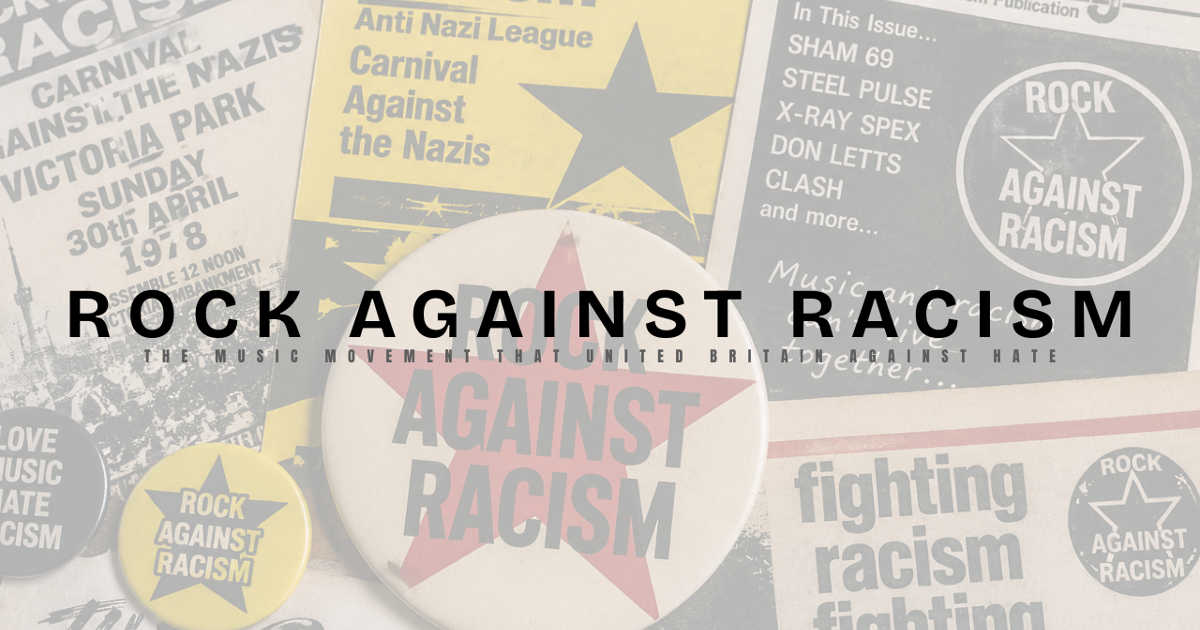
Rock Against Racism (RAR) was one of the most influential grassroots music movements in British history. Founded in 1976, it emerged as a direct response to growing racism, far-right politics, and social division in the United Kingdom. At its core, Rock Against Racism promoted unity through music, bringing together people of different races, cultures, and backgrounds. The movement believed that music could be a powerful tool for challenging prejudice and combating the rise of racist organizations. By creating spaces where diverse audiences could come together, RAR demonstrated that multiculturalism was one of Britain's greatest strengths rather than a threat.
Eric Clapton's Infamous Outburst and Britain's Political Climate
The spark that ignited Rock Against Racism came in August 1976 when guitarist Eric Clapton made a shocking onstage statement during a concert in Birmingham. Clapton voiced support for anti-immigration politician Enoch Powell, whose controversial Rivers of Blood
speech had become a rallying point for anti-immigration campaigners. Britain in the mid-1970s was facing economic difficulties, high unemployment, and growing social tensions. Against this backdrop, far-right groups such as the National Front were gaining visibility and attempting to exploit public anxieties. Many music fans were stunned that one of rock's biggest stars would publicly endorse views widely seen as racist and exclusionary.
The NME Letter That Started a Movement
Clapton's comments sparked immediate outrage among anti-racist activists and music fans. Photographer and activist Red Saunders, together with Roger Huddle and several others, penned an open letter to the New Musical Express (NME). The letter condemned Clapton's remarks and highlighted what they viewed as a glaring contradiction: a musician whose career had been built upon the influence of Black blues and reggae artists was now endorsing anti-immigration rhetoric. The letter urged musicians and fans to stand up against racism and defend the multicultural roots of popular music. The response was overwhelming, leading directly to the formation of Rock Against Racism.
The First Rock Against Racism Gig
Rock Against Racism's inaugural event took place at the Princess Alice pub in Forest Gate, East London, in November 1976. What began as a small local gig quickly demonstrated the appetite for a movement that combined music with anti-racist activism. The event brought together musicians and audiences united by a belief that racism had no place in British culture. Although modest in scale, the Princess Alice show laid the foundations for a nationwide network of concerts, festivals, and campaigns that would soon attract thousands of supporters.
Breaking Down Barriers Through Multicultural Lineups
One of Rock Against Racism's most revolutionary ideas was its insistence on multicultural lineups. At a time when music scenes were often divided along racial and cultural lines, RAR enforced a simple but powerful rule: white punk bands and Black reggae artists would share the same stage. This approach encouraged audiences who might never have interacted otherwise to experience each other's music and cultures. Punk and reggae became natural allies within the movement, creating a unique musical and political partnership that challenged stereotypes and demonstrated the power of solidarity.
Temporary Hoarding: The Voice of the Movement
Beyond concerts and rallies, Rock Against Racism spread its message through a vibrant fanzine called Temporary Hoarding. The publication served as the movement's creative and political voice, featuring interviews, artwork, essays, reviews, and anti-racist commentary. Produced with a DIY spirit that reflected the punk ethos of the era, Temporary Hoarding helped connect supporters across Britain and provided a platform for discussing the social issues driving the movement. Today, it remains an important historical record of one of the most significant cultural campaigns of the 1970s.
The 1978 Carnival Against the Nazis
The defining moment of Rock Against Racism came on 30 April 1978. Working alongside the Anti-Nazi League, the organization staged the legendary Carnival Against the Nazis. Around 100,000 people marched from central London to Victoria Park in East London before attending a huge open-air concert. The event combined political protest with an unforgettable celebration of music and multiculturalism. Performances from leading punk and reggae acts helped turn the carnival into one of the largest anti-racist demonstrations in British history and a landmark moment in the fight against the far right.
Artists Who Supported Rock Against Racism
Rock Against Racism attracted support from many of the era's most influential musicians. Punk pioneers The Clash became closely associated with the movement, regularly speaking out against racism and performing at RAR events. Other notable supporters included Tom Robinson Band, Steel Pulse, X-Ray Spex, The Ruts, Sham 69, Elvis Costello, The Buzzcocks, and members of Generation X. These artists used their platforms to promote unity and challenge the divisive politics gaining traction during the late 1970s. Their involvement helped transform RAR from a grassroots campaign into a national cultural force.
The Enduring Legacy of Rock Against Racism
Although Rock Against Racism formally wound down in the early 1980s, its influence continues to be felt today. The movement inspired future campaigns such as Love Music Hate Racism, which emerged in the early 2000s to confront a new generation of far-right politics through music and cultural activism. Rock Against Racism also inspired international initiatives, including Rock Against Racism chapters in the United States and elsewhere. The movement's core message remains as relevant as ever: music has the power to bring people together, challenge prejudice, and build solidarity across communities. In an era where racism, nationalism, and political polarization continue to shape public debate, the principles championed by Rock Against Racism and its successors remain not only important but essential. Their legacy serves as a reminder that culture can be a powerful force for resistance, inclusion, and positive social change.