The Boomtown Rats: The Story of Ireland's Punk Rock Pioneers
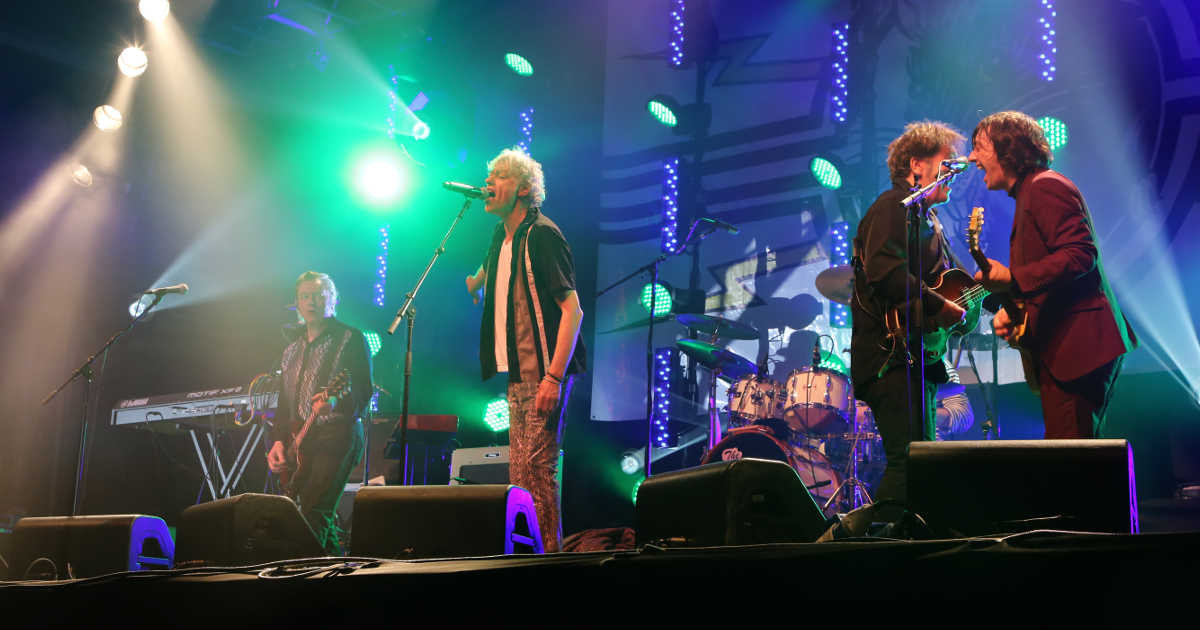
The Boomtown Rats were one of Ireland's biggest rock bands of the late 1970s and early 1980s, mixing punk attitude with catchy pop hooks and a fair bit of controversy along the way. Fronted by the outspoken Bob Geldof, the Dublin band went from playing small gigs to topping the UK charts, helping put Irish rock music firmly on the international map.
Formation
The story of The Boomtown Rats began in Dún Laoghaire, Dublin, in 1975, when a group of young musicians came together under the rather unusual name The Nightlife Thugs. With Bob Geldof on vocals, the band soon decided a change was needed, settling on The Boomtown Rats, a name inspired by a gang mentioned in Woody Guthrie's autobiography, Bound for Glory.
With the Irish music scene offering limited opportunities, The Boomtown Rats headed for London in 1976, just as punk rock was beginning to take off. Although they weren't strictly a punk band, their energy, attitude and sharp lyrics fitted right in. They quickly became part of the growing live scene, building a reputation for lively performances and Geldof's unpredictable stage presence.
Breakthrough
The Boomtown Rats released their debut single, Lookin' After No. 1
, in 1977, and it didn't take long for people to notice them. The song reached number 11 on the UK Singles Chart and earned the band an appearance on Top of the Pops. Their self-titled debut album followed later that year, introducing their mix of punk, new wave and rock to a wider audience.
Things really took off in 1978 with the release of their second album, A Tonic for the Troops
. The record produced several successful singles, including She's So Modern
and Rat Trap
, which became a UK number one. It was a huge achievement, making The Boomtown Rats the first Irish rock band to top the UK singles chart and confirming their arrival as major stars.
I Don't Like Mondays
In 1979, The Boomtown Rats released their best-known song, I Don't Like Mondays, inspired by a school shooting in San Diego, California. Geldof wrote the song after hearing about the incident and the explanation reportedly given by the teenage shooter. Despite its dark subject matter, the single became a massive international hit, spending four weeks at number one in the UK.
The band followed this success with Banana Republic
in 1980, a song that took aim at the political and social climate in Ireland at the time. Geldof's frustration with the country and its institutions came through loud and clear in the lyrics. The single reached number three in the UK and became another memorable release, although its criticism of Ireland wasn't welcomed by everyone.
Later Years
By the early 1980s, The Boomtown Rats were beginning to move away from their original punk and new wave sound. Their fourth album, Mondo Bongo, arrived in 1981 and featured a more experimental approach, with reggae and other influences creeping into the music. Although it included the hit The Elephant's Graveyard
, the album didn't quite match the commercial success of their earlier records.
Their next album, V Deep
, followed in 1982, but the band's popularity was starting to fade as musical tastes changed. The Boomtown Rats continued recording and touring, although their days of regularly topping the charts were behind them. By the time In the Long Grass appeared in 1984, tensions and changing priorities were beginning to take their toll on the group.
Live Aid
In 1984, Bob Geldof became involved in a project that would eventually overshadow much of his work with The Boomtown Rats. After seeing television reports about the famine in Ethiopia, he joined forces with Ultravox singer Midge Ure to organise Band Aid. Their charity single, Do They Know It's Christmas?
, brought together some of Britain's biggest pop stars and became a massive fundraising success.
The following year, Geldof and Ure took things even further by organising Live Aid, the enormous charity concerts held in London and Philadelphia on 13th July 1985. The Boomtown Rats performed at Wembley Stadium, delivering a memorable set that included I Don't Like Mondays
. The event was watched by millions around the world and turned Geldof into an internationally recognised humanitarian campaigner.
The Singles
The Boomtown Rats enjoyed an impressive run of singles during their peak years, with Rat Trap
and I Don't Like Mondays becoming their two UK number-one hits. Other favourites included Lookin' After No. 1
, Mary of the 4th Form
, She's So Modern
, Like Clockwork
, Diamond Smiles
and Banana Republic
. Their ability to combine catchy melodies with sharp, sometimes controversial lyrics helped them stand apart from many of their contemporaries.
The Albums
The Boomtown Rats released six studio albums during their original career, beginning with their self-titled debut in 1977. This was followed by A Tonic for the Troops
in 1978 and The Fine Art of Surfacing
in 1979, arguably their most successful period. These records captured the band at their best, mixing energetic rock songs with Geldof's distinctive storytelling and social commentary.
The band's later albums, Mondo Bongo
(1981), V Deep
(1982) and In the Long Grass
(1984), saw them experimenting with different sounds, although commercial success became harder to find. After reuniting, they eventually returned to the studio for Citizens of Boomtown
in 2020, their first album of new material in 36 years, proving there was still some life left in the Rats.
Split / Reunion
By 1986, The Boomtown Rats had reached the end of the road. Their final performance of the original era came at Self Aid, a major Irish charity concert held at the RDS in Dublin on 17th May 1986 to raise awareness of unemployment. Following the show, the band officially disbanded, with Geldof continuing his solo career and humanitarian work.
The Boomtown Rats reunited in 2013, with Bob Geldof and Pete Briquette joined by returning guitarist Garry Roberts and guitarist Darren Beale. The band returned to the stage for festival appearances and live shows, introducing their music to another generation. Their comeback gathered further momentum with Citizens of Boomtown
in 2020, although Roberts' death in 2022 was a sad loss for the group.
Final Verdict
The Boomtown Rats played a major part in bringing Irish rock music to an international audience at a time when few Irish bands were making serious waves abroad. With two UK number-one singles, a string of memorable albums and Bob Geldof's larger-than-life personality, they helped open doors for the Irish acts that followed. There's no denying their place in Irish music history.
READ MORE | The Best Irish Music Right Now